Establishing a primary clinic requires strict operational permits. This article provides an in-depth guide to the latest requirements, procedures, and cost estimates to ensure your clinic operates in compliance with government regulations and delivers the best possible services.
In an increasingly competitive and regulated healthcare landscape, establishing and operating a primary clinic is not merely a dream, but a serious commitment to quality standards and legal compliance. Many clinic owners, operations managers, or even healthcare practitioners are often faced with a complex and time-consuming labyrinth of licensing bureaucracy. Without a proper understanding of the requirements, procedures, and costs involved, this process can become a significant obstacle that delays clinic operations, and may even lead to legal problems later on. Questions such as 'what documents are required?', 'how long does the process take?', or 'what is the total cost that must be prepared?' often arise and require concrete answers. This article serves as a practical and in-depth guide to help you navigate every stage of obtaining an operational license for a primary clinic in Indonesia. We will thoroughly examine everything from the legal basis, administrative and technical requirements, procedures through the Online Single Submission Risk-Based Approach (OSS RBA) system, to cost estimates, complete with strategic tips so that your licensing process runs smoothly and efficiently. With accurate and actionable information, you can ensure that your primary clinic is ready to operate legally and professionally.
Before going further into the procedures, it is important for us to understand the legal basis underlying the licensing of primary clinics in Indonesia. Minister of Health Regulation (PMK) Number 14 of 2021 concerning Standards for Business Activities and Products in the Implementation of Risk-Based Business Licensing in the Health Sector is the main legal umbrella governing clinic licensing. This PMK, which is a derivative of Law Number 11 of 2020 concerning Job Creation and Government Regulation Number 5 of 2021 concerning the Implementation of Risk-Based Business Licensing, explicitly classifies clinics into two types: primary clinics and main clinics. A primary clinic itself is defined as a clinic that provides basic medical services, both general and specialist. An understanding of this regulation is crucial because every stage, document, and standard that must be met will refer to the provisions within it. Compliance with this PMK is not merely a formality, but a guarantee that your clinic meets the minimum standards of service and safety for patients.
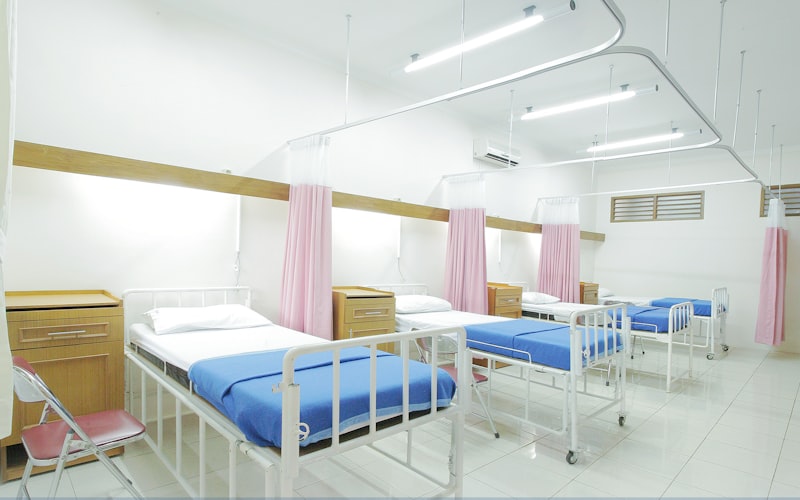
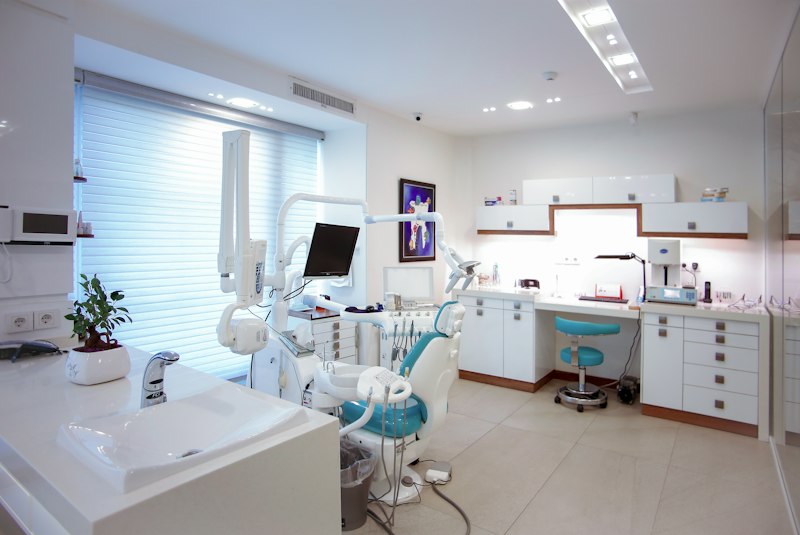
Primary clinics have specific characteristics that distinguish them from main clinics or other healthcare facilities. Their main focus is basic health services, which include general examinations, simple medical procedures, basic emergency services, normal delivery services, and dental and oral health services. The human resources that must be present in a primary clinic minimally consist of 1 (one) doctor or dentist as the person in charge, and other health personnel as needed, such as nurses or midwives. Bed capacity, if any, is also limited. For example, an inpatient primary clinic is only allowed to have a maximum of 6 beds. This classification determines the types of services that can be provided, the number and qualifications of medical personnel, and the infrastructure that must be available. Understanding these limits from the outset will prevent you from planning mistakes that can slow down the licensing process.
The licensing system in Indonesia has now shifted to a risk-based approach through the Online Single Submission Risk-Based Approach (OSS RBA). This means that the risk level of a business activity will determine the type of license required. For primary clinics, this generally falls into the medium-high or high risk category, which requires a Business Identification Number (NIB), a verified Standard Certificate (SS), and an Operational License. This process begins with submitting the NIB through the OSS portal, then continues with fulfilling the standard requirements verified by the local health office. This risk-based approach aims to simplify bureaucracy, while still maintaining the quality and safety of health services. Clinic owners must be proactive in understanding the risk category of their business activity and ensuring that all requirements are met accurately.
In the context of Nugroho Setiawan as an experienced Operations Manager in the field of SIMRS and SIM Klinik, an in-depth understanding of this regulation is very important. The information systems developed must be able to support compliance with the operational standards stipulated in PMK 14/2021, from medical record keeping, drug inventory management, to health data reporting. Integration with the SatuSehat system or BPJS Bridging also requires the clinic to have a valid and registered operational license. Without a valid license, the clinic will not be able to connect to the national health ecosystem, so the services provided are limited and cannot be officially recognized. Therefore, licensing is not just a piece of paper, but the foundation for modern and integrated clinic operations.
The management of the Operational Permit for a Pratama Clinic is currently fully integrated through the Online Single Submission Risk-Based Approach (OSS RBA) system managed by the Ministry of Investment/BKPM. This process begins with registering an account on the OSS portal (oss.go.id) and applying for a Business Identification Number (NIB). The NIB is the identity of a business actor and serves as the basic license for various business activities. After the NIB is issued, the next step is applying for a Standard Certificate (SS) for the Pratama Clinic business activity. At this stage, the business actor will be asked to fill in data and upload the required documents in accordance with the Business Activity Standards for Pratama Clinics as stipulated in PMK 14/2021. It is important to ensure that all data entered is accurate and in accordance with the clinic's real conditions. Data entry errors can cause rejection or delay of the verification process.
The document requirements for applying for a Pratama Clinic Standard Certificate are divided into two main categories: administrative requirements and technical requirements. For administrative requirements, you will need the Deed of Establishment of the Business Entity (if in the form of a PT/CV/Cooperative) along with its amendments, the Taxpayer Identification Number (NPWP) of the Business Entity or Individual, the Identity Card (KTP) of the person in charge, and proof of ownership or use of the building (Certificate of Ownership, IMB, or lease agreement). In addition, a statement letter of commitment to comply with applicable laws and regulations is also often requested. Make sure all these documents are in a clear and easily readable digital format (usually PDF), with a file size that fits the OSS system's limits.
As for the technical requirements, they are far more detailed and demand extra attention. These include the location and building plan of the clinic, a list of facilities (medical and non-medical equipment), infrastructure (electricity, clean water, waste), and a list of medical and non-medical personnel. For medical personnel, prepare a Registration Certificate (STR) and a Practice License (SIP) that are still valid for each doctor, dentist, nurse, and midwife who will be on duty. The clinic's organizational structure, standard operating procedures (SOP) for services, and the quality management system are also part of the technical requirements. For example, for a clinic that plans to integrate a Clinic SIM, make sure the system supports electronic medical record standards in accordance with PMK No. 24 of 2022 on Medical Records. Verification of these technical requirements will be carried out by the local District/City Health Office, which may involve an on-site survey to ensure conformity between the documents and the physical condition of the clinic.
The verification process by the Health Office usually takes time, depending on the completeness of the documents and the survey schedule. Based on experience, the verification process can take between 7 and 14 working days after all documents have been uploaded and deemed complete in the OSS RBA system. If any discrepancies or deficiencies are found, the Health Office will provide notes for correction through the OSS system. The business actor must immediately respond and complete those deficiencies. After all requirements have been verified and declared to meet the standards, the Standard Certificate will be issued. This verified Standard Certificate will automatically become the Operational Permit for the Pratama Clinic. It is important to note that the validity of this permit depends on continuous fulfillment of the standards. Nugroho Setiawan as Operations Manager must ensure that the clinic's systems and operations always comply with regulations, including in the management of sensitive patient data, for example by implementing a Clinic SIM that complies with the FHIR R4 standard for secure and interoperable data exchange.
To make it easier for you to prepare the permit management, the following is a table detailing the required documents that are generally requested. This list is a summary of PMK 14/2021 and best practices in the field. Preparing these documents well in advance will greatly help speed up the process. Make sure each document is a clear and valid digital copy.
| Document Category | Document Type | Description |
|---|---|---|
| Administrative | Deed of Establishment of the Business Entity & Its Amendments | If in the form of a PT/CV/Cooperative, notarized. |
| Business Identification Number (NIB) | Obtained through the OSS RBA system. | |
| Taxpayer Identification Number (NPWP) | NPWP of the Business Entity or Individual. | |
| Identity Card (KTP) of the Person in Charge | KTP of the Director/Business Owner. | |
| Proof of Ownership/Use of Building | Certificate of Ownership, IMB, or Lease Agreement. | |
| Statement Letter of Commitment | To comply with laws and regulations. | |
| Technical | Location and Building Plan of the Clinic | Clear scale, showing room functions. |
| List of Facilities and Infrastructure | Medical equipment, non-medical, electricity, water, waste. | |
| List of Medical & Non-Medical Personnel | Name, position, STR/SIP (if any). | |
| Registration Certificate (STR) of Medical Personnel | For doctors, dentists, nurses, midwives (still valid). | |
| Practice License (SIP) of Medical Personnel | For doctors, dentists, nurses, midwives (still valid). | |
| Clinic Service SOP | Standard procedures for each service. | |
| Clinic Organizational Structure | Clearly shows the chain of command and responsibilities. |
Besides documents, cost estimation is also an important consideration. The cost of processing a primary clinic operational license can vary depending on location (regency/city), but generally there is no official fee for issuing the license itself if done through OSS RBA. Costs that arise are usually related to document preparation, such as notary fees for the deed of establishment (if not yet available, around IDR 3,000,000 - IDR 5,000,000), fees for processing a Building Construction Permit (IMB) or Building Approval (PBG) if it is a new building (highly variable, can be tens of millions), medical equipment calibration fees (starting from IDR 200,000 per device), as well as operational costs during the verification process (transportation, accommodation, etc.). It is important to allocate a budget for these needs. Below is an estimate of the costs you may encounter:
| Cost Item | Estimated Cost (IDR) | Notes |
|---|---|---|
| Deed of Establishment of Business Entity (if new) | 3,000,000 - 5,000,000 | Notary fee for PT/CV. |
| Processing IMB/PBG (if new/change) | Varies (starting from 10,000,000) | Depends on building area and location. |
| Certificate of Functional Worthiness (SLF) | Varies | Required after PBG is issued. |
| Medical Equipment Calibration | 200,000 - 1,000,000 per device | Mandatory for certain medical devices. |
| Processing STR/SIP for Medical Personnel | Free (online) - 500,000 (if assisted) | Professional administration fee. |
| Licensing Consultant Fee (optional) | 10,000,000 - 30,000,000 | If using third-party services. |
| Operational Costs (photocopies, transportation, etc.) | 500,000 - 2,000,000 | Unexpected costs during the process. |
Risk management in the licensing process is equally important. The main risks include document rejection due to incompleteness or non-compliance, delays in field verification, and the potential for illegal levies. To mitigate these risks, ensure all documents are prepared very carefully, in accordance with the requested format, and re-verified before uploading. Active communication with the local Health Office, if necessary, can help clarify unclear requirements. In addition, with the OSS RBA system, process transparency is expected to be better, so the potential for illegal levies can be minimized. If you encounter indications of unofficial levies, report them through the available channels. Nugroho Setiawan as Operations Manager can utilize his experience in information systems to track licensing status digitally and ensure data compliance.
One common challenge in the licensing process is rejection or requests for correction from the verifier. Let us take an example of a frequently occurring scenario: your Primary Clinic Standard Certificate application is rejected with specific notes. Imagine you have uploaded all documents, but after a few days, you receive a notification in the OSS RBA system with the status "Perbaikan" (Correction) and the error message shown.
{ "status": "Perbaikan", "tanggal_notifikasi": "2024-05-28", "verifikator": "Dinas Kesehatan Kab. X", "catatan_perbaikan": [ { "kode": "ADM-003", "deskripsi": "NPWP Badan Usaha tidak sesuai dengan Akta Pendirian. Mohon periksa kembali keabsahan dan kesesuaian data.", "dokumen_terkait": "NPWP, Akta Pendirian" }, { "kode": "TEK-005", "deskripsi": "Denah bangunan klinik tidak menunjukkan area pengelolaan limbah medis sesuai standar PMK 14/2021. Sertakan detail penempatan TPS B3.", "dokumen_terkait": "Denah Bangunan" }, { "kode": "SDM-002", "deskripsi": "Surat Izin Praktik (SIP) Dokter Penanggung Jawab telah habis masa berlakunya. Mohon perbarui SIP yang valid.", "dokumen_terkait": "SIP Dokter Penanggung Jawab" } ]}The message above is an example of a realistic rejection notification in JSON format, although in the OSS RBA system it may appear in a more user-friendly web interface. This notification provides specific details regarding the reason for rejection, error code, problem description, and related documents that need to be corrected. This is crucial information that you must handle quickly and appropriately.
How to Handle:
With systematic and responsive handling of each improvement note, you can accelerate the issuance process of your clinic's operational license. The role of an Operations Manager like Nugroho Setiawan is crucial in managing and ensuring the completeness of data and compliance with standards, including the integration of medical record data and reporting to SatuSehat, all of which require a valid operational license.
1. How long does it take to process an operational permit for a pratama clinic?
The time required varies greatly, but in general, if all documents are complete and there are no significant obstacles, the process from submitting the NIB to the issuance of the Standard Certificate (Operational Permit) can take 1 to 3 months. The document verification stage by the Health Office usually takes 7-14 working days, plus a field survey. Delays often occur because documents are incomplete or not up to standard.
2. Can I process the permit myself without the help of a consultant?
Yes, you can process the operational permit for a pratama clinic yourself through the OSS RBA portal. This system is designed to make things easier for business actors. However, if you do not have enough time or experience in dealing with bureaucracy and health regulations, using a trusted licensing consultant service can be an option to speed up and ensure the completeness of the process. Make sure the consultant has a good track record and understands PMK 14/2021.
3. What is the main difference between a pratama clinic and a utama clinic?
The main difference lies in the type of services, the number and qualifications of medical personnel, and the capacity of the facilities. A pratama clinic provides basic medical services (general and/or dental), with at least one doctor or dentist in charge, and a maximum inpatient capacity of 6 beds. A utama clinic provides specialist or subspecialist medical services, with at least one specialist doctor or specialist dentist as the person in charge, and a larger inpatient capacity. The regulations for utama clinics are also more complex.
4. What if there is a change in data or the person in charge after the permit is issued?
Any change to important data such as the person in charge, address, or services provided must be reported and a permit amendment must be submitted through the OSS RBA system. This process usually involves submitting a change to the Standard Certificate. Failure to report changes can result in your operational permit becoming invalid and potentially subject to administrative sanctions. Being proactive in reporting changes is the key to ongoing compliance.
5. Are there official fees for processing an operational permit for a pratama clinic?
For the issuance of an operational permit through the OSS RBA system, the government has stipulated that there are no official fees. However, costs that may arise are indirect costs such as processing the legal entity (notary), calibration of medical equipment, processing IMB/PBG, or consultant service fees if you use them. Make sure you only pay fees that have a clear legal basis and avoid illegal levies.
6. Are pratama clinics required to integrate with SatuSehat or BPJS Kesehatan?
Based on Minister of Health Regulation Number 24 of 2022 concerning Medical Records, all health service facilities, including pratama clinics, are required to implement electronic medical records and integrate with the SatuSehat platform. Integration with BPJS Kesehatan is also highly recommended if your clinic plans to serve BPJS patients, as this will open access to a broader patient segment and support the clinic's financial sustainability. Both require a valid operational permit and accurate data.
Processing an operational permit for a pratama clinic may seem challenging, but with the right guidance and thorough preparation, this process can be completed smoothly. Compliance with regulations is not only a legal obligation, but the foundation for building a professional and trusted clinic reputation. From understanding PMK 14/2021 to navigating the OSS RBA system, every step requires careful attention. For those of you who are clinic owners, operational managers, or decision-makers who need technology solutions to support compliance and efficiency, Nugroho Setiawan is here with expertise in SIMRS, SIM Klinik, and BPJS/SatuSehat/FHIR integration. Don't let the complexity of licensing hinder your vision. If you need further consultation regarding the implementation of a clinic information system that meets standards or want to ensure your clinic's operations are always compliant with regulations, do not hesitate to contact us. Let's work together to build a better and more integrated health ecosystem.
Related solutions by PT Pilar Inovasi Informatika (Pilar Inovasi IT products): Clinic Management System BPJS & SatuSehat Integration. Need a free consultation?
Belum ada komentar. Jadilah yang pertama!